Skidmore College
Digital Media II: Advanced Project
Course Description:
Digital Media II: Advanced Project continues developing and investigating art-making with digital media. This class allows students to focus thematically and create a single, in-depth project over a semester. It provides time and flexibility to develop their work while engaging in discourse on contemporary digital art practices, including, but not limited to, digital imaging, video, animation, and installation. The first couple of weeks will include readings, film screenings, discussions of artist methodologies, and workshops. Students will then be asked to create a project proposal outlining the theme, methodology, and direction of their research. The middle of the semester will be spent producing and completing the piece. The final weeks of the semester will focus on critique, refinement, and presentation. The goal is to walk away from this course with a thorough, well-developed project that can anchor a portfolio.
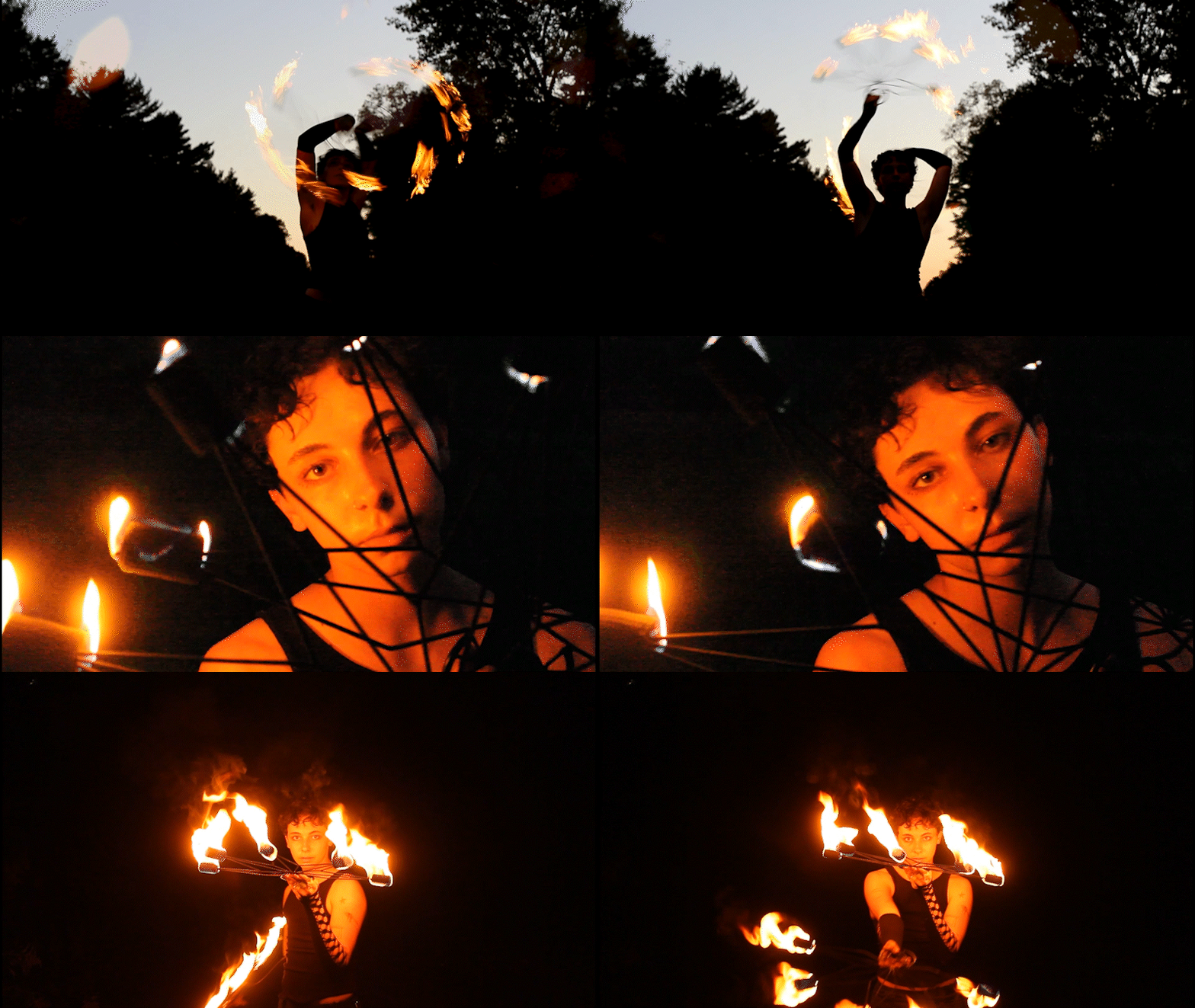
Fin Polon, Art Major
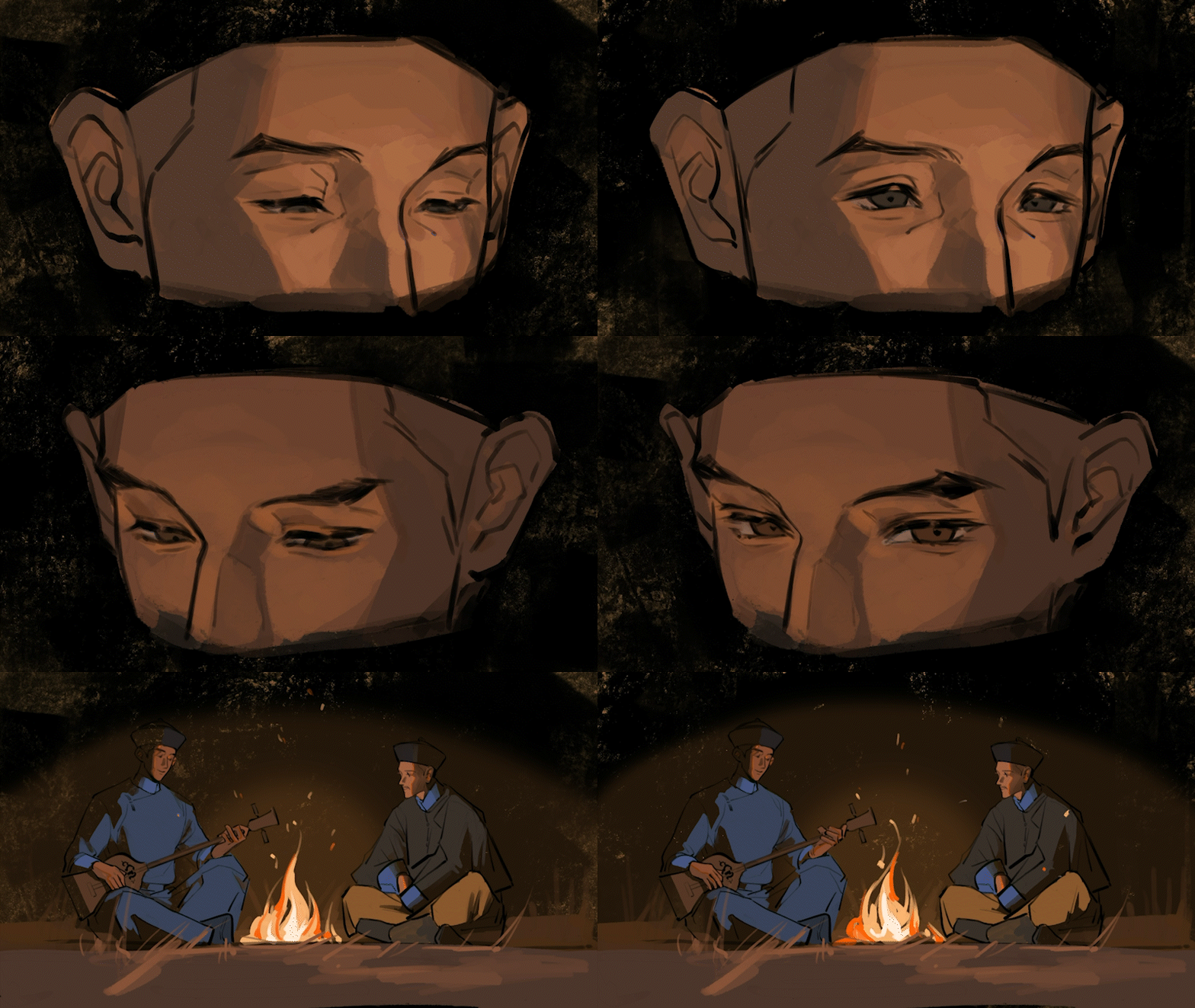
Xinyu Kang, Art Major

Tyler Wilcox, Art Major
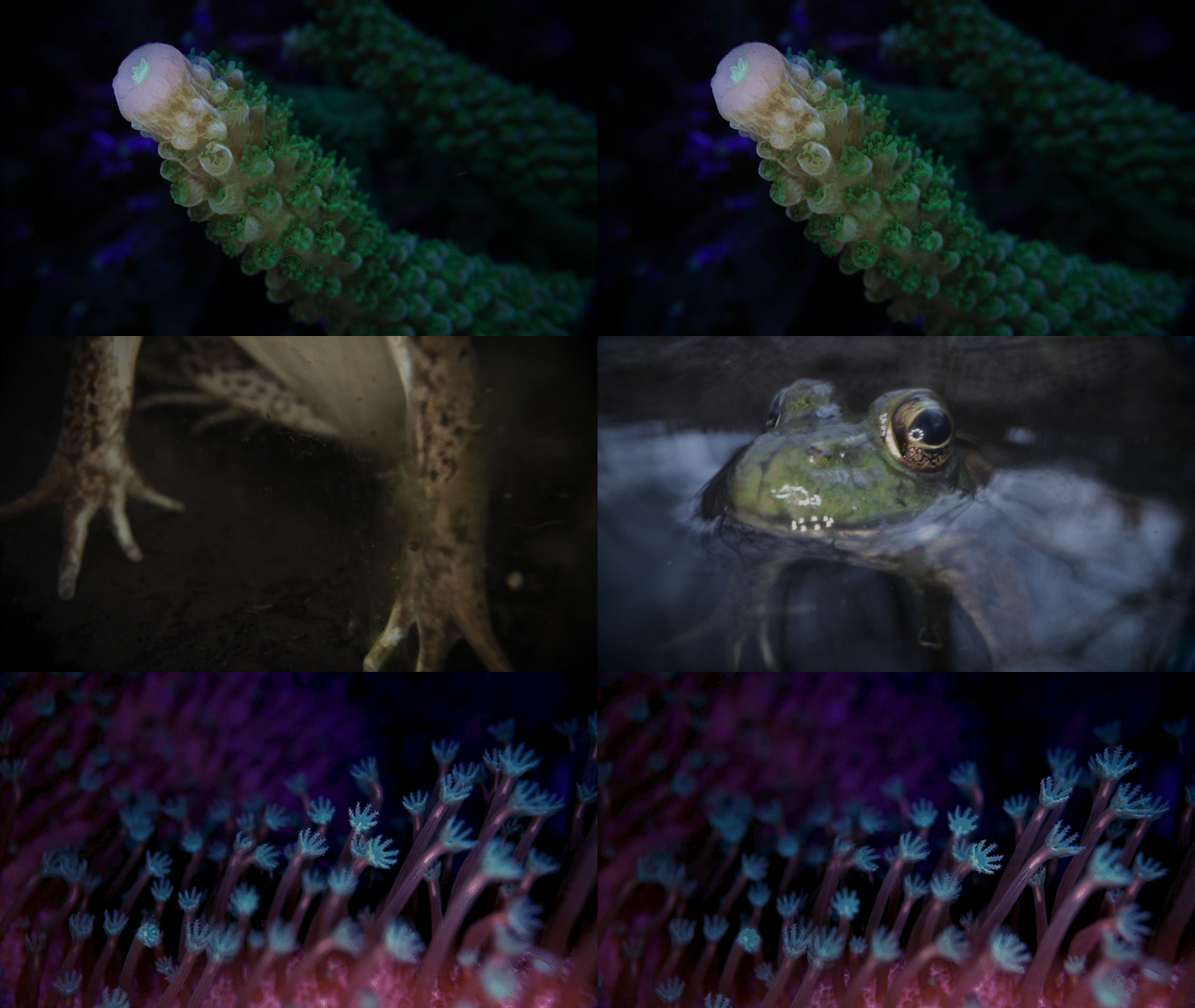
Ryan Thompson, Biology Major
Project Title: Ready Made Movement
Project Description:
Create a 20- to 30-second looping animation that combines cyclical movement with complementary, ironic, or experimental photographic elements. This process-driven project weaves together collage and motion, merging digital and analog workflows. Choose a prompt below and develop an idea around it. Consider the physical materials you’d like to work with, and make sure they align with your conceptual framework.
Prompts:
Human representation in a digital wasteland or utopia
Pattern-based cultural memory
Revealing hidden histories or speculative futures
Repurposing traces of data
Unnatural landscape
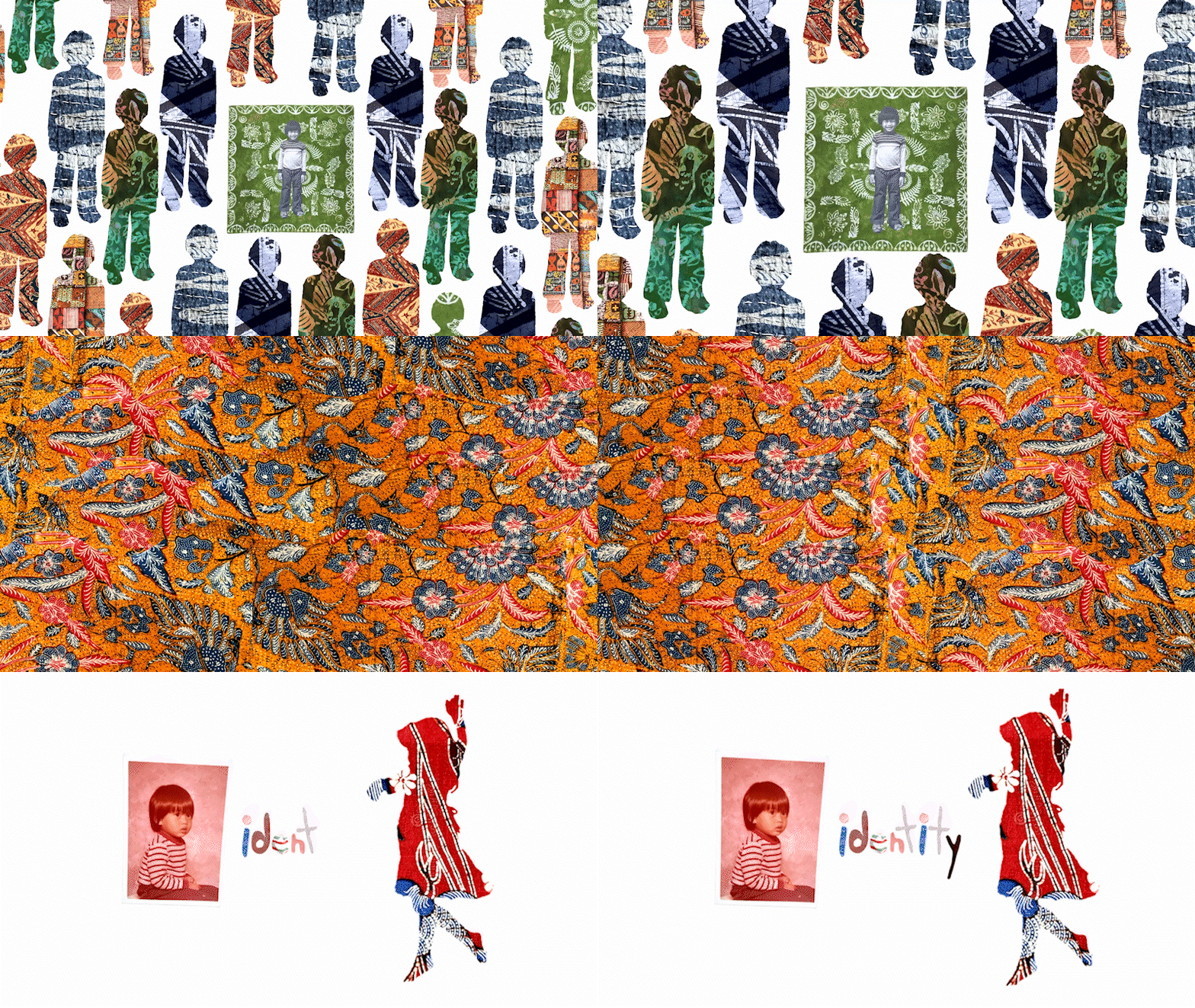
Emily Wollner, Neuroscience Major
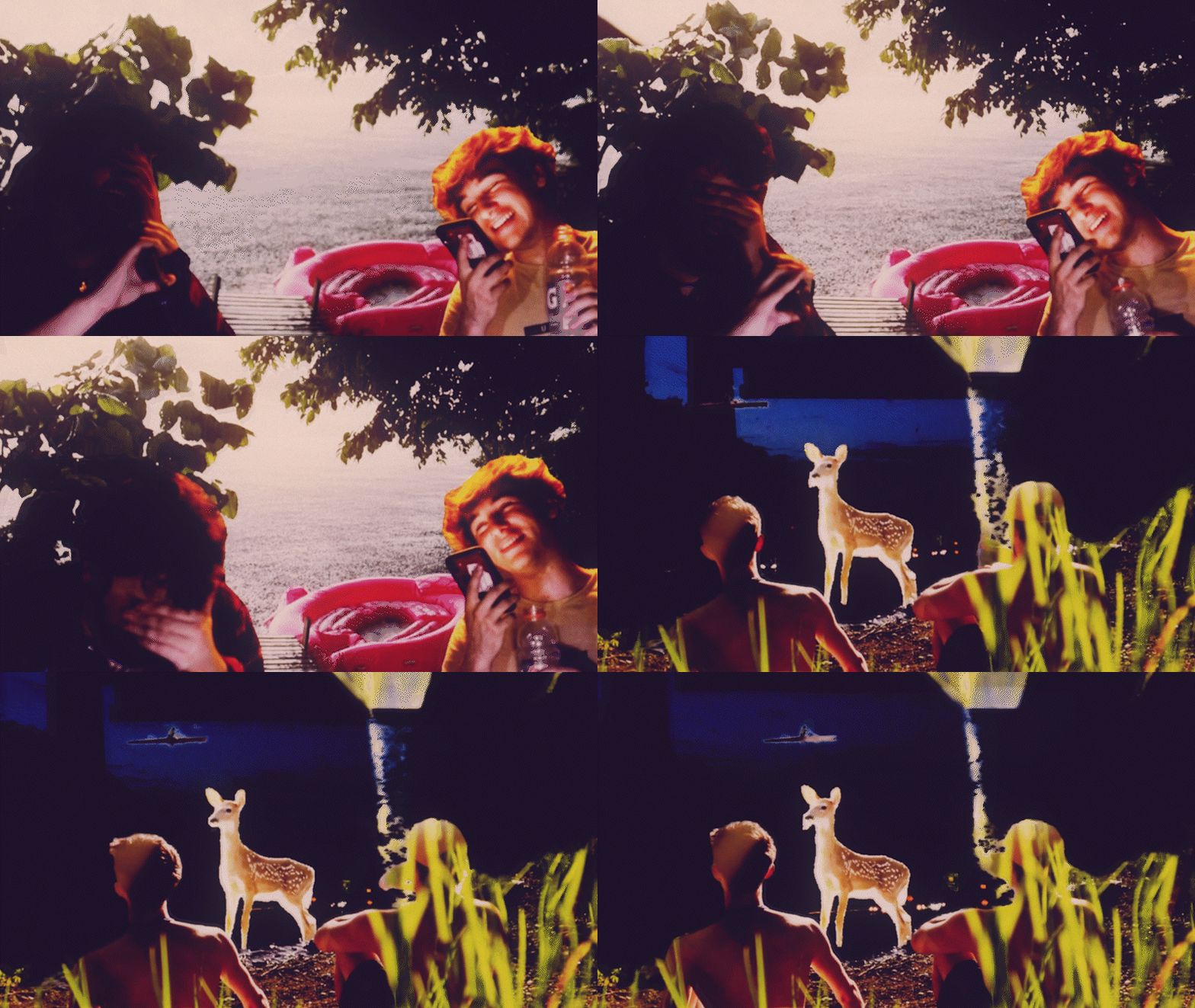
John Anthony Capello, Art Major
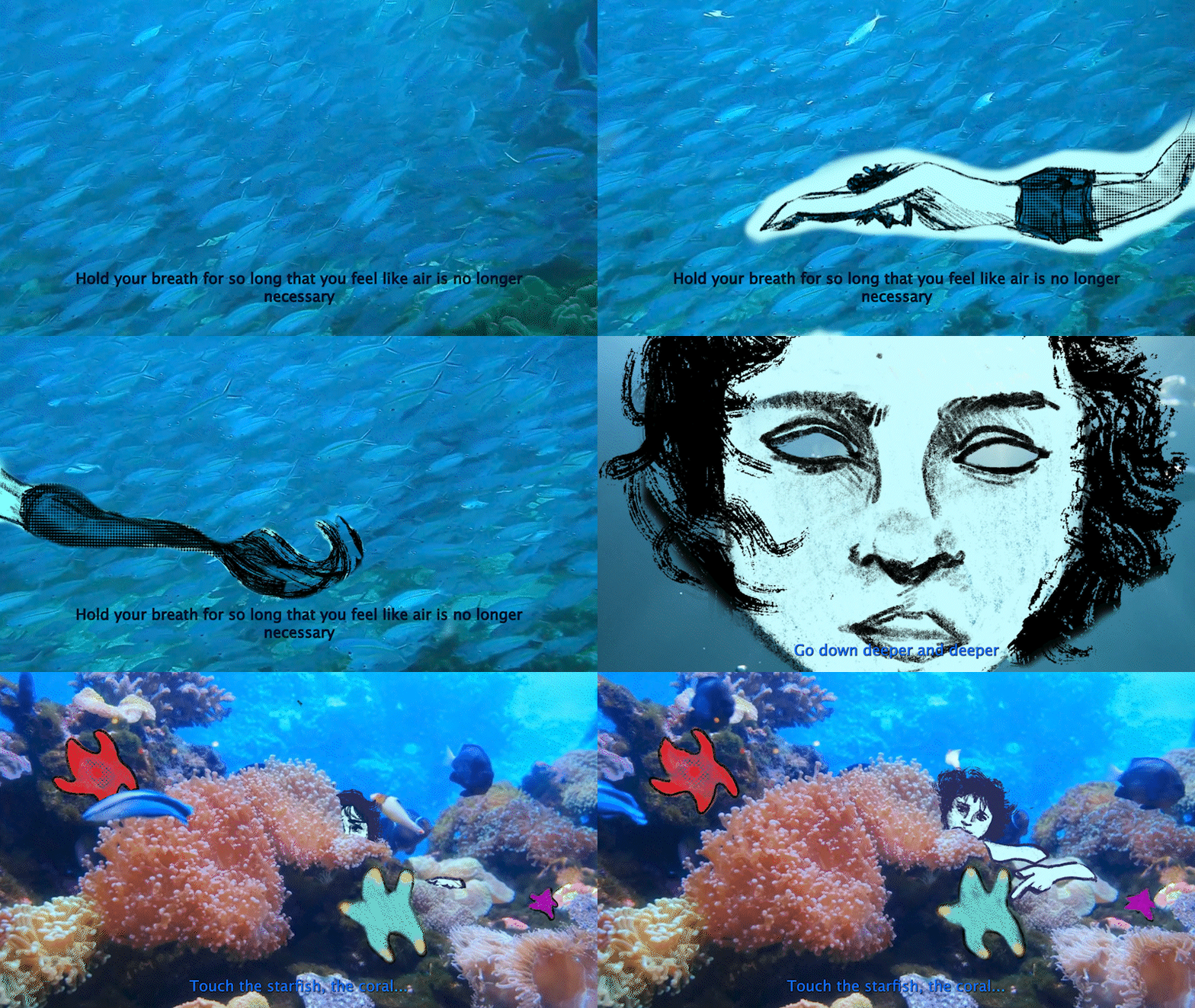
Hannah Egan, Art Major
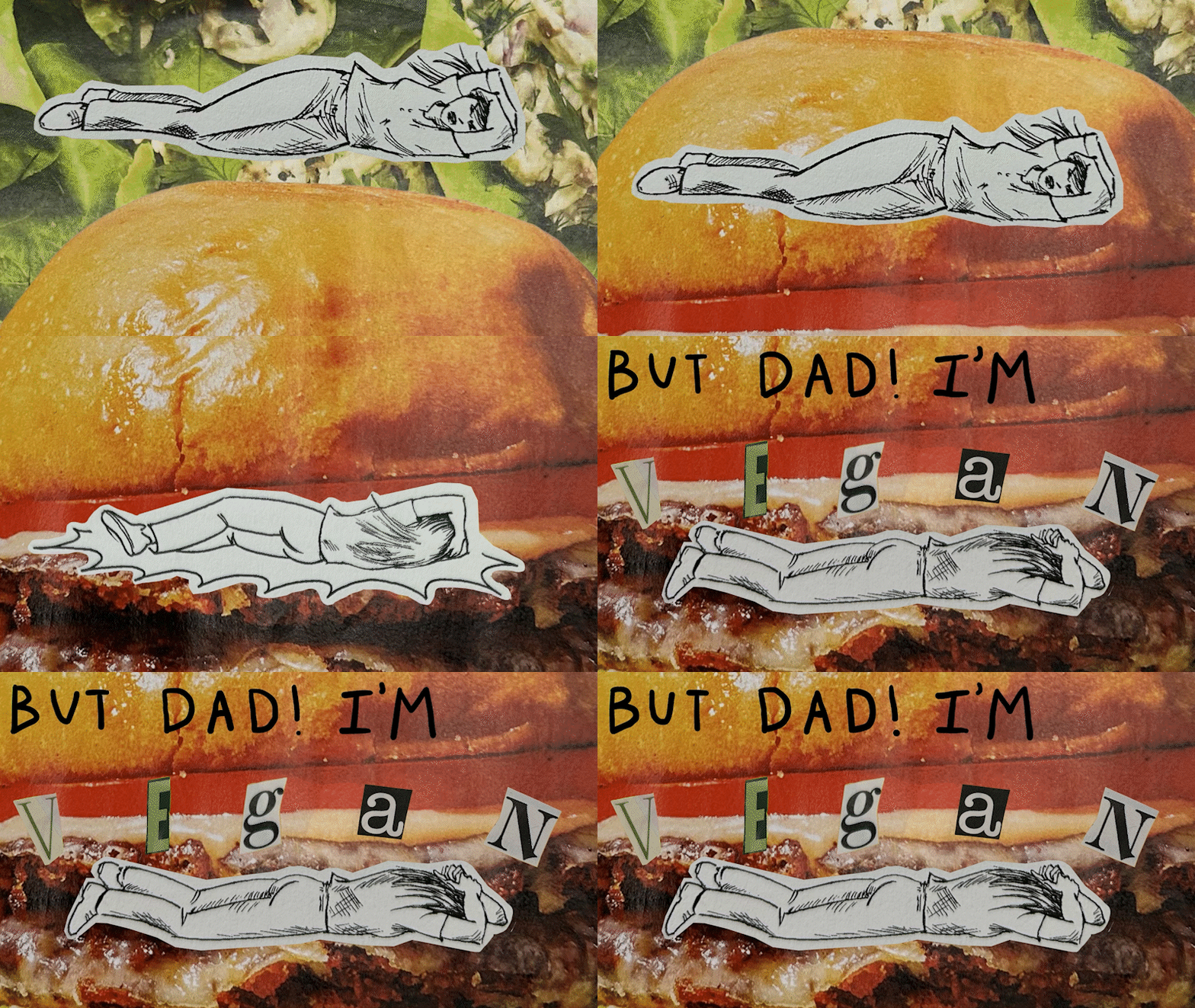
Oli Landsman, Art and Biology Major
Texas Tech University
Advanced Transmedia: Video Art
Course Description:
How do moving images shape contemporary art? This course explores the creation and critical analysis of video art, introducing students to camerawork, post-production, and sound design. We will cover a broad range of approaches– including experimental narrative and non-fiction, and video as installation– to expand our understanding of time-based media and lay a foundation for integrating moving images into students’ artistic practice. The semester is grounded in screenings of contemporary video works, discussions of texts, and critiques of both works in progress and final projects. Students will develop their artistic voice and gain technical training in Adobe Premiere, After Effects, and DaVinci Resolve.

Lexi Cantu, Transmedia Major

Matt Silva, Transmedia Major

Asmaa Abushanab, Transmedia Major

Nathan Swain, Transmedia Major
Project Title: Character Happening
Project Description:
Create a 20-30-second character animation employing a simple narrative structure. Each character should be introduced, put into a humorous, dramatic, or peculiar circumstance, and then have a clear conclusion. Be specific with your character’s features and develop their personality in pre-production drawings or storyboards. Consider your animation style (hand-drawn, stop-motion, graphic), color choices, and the sense of time/place you evoke. Use photographs, videos, or other reference material to assist you.

Zhane Hicks, Art Major
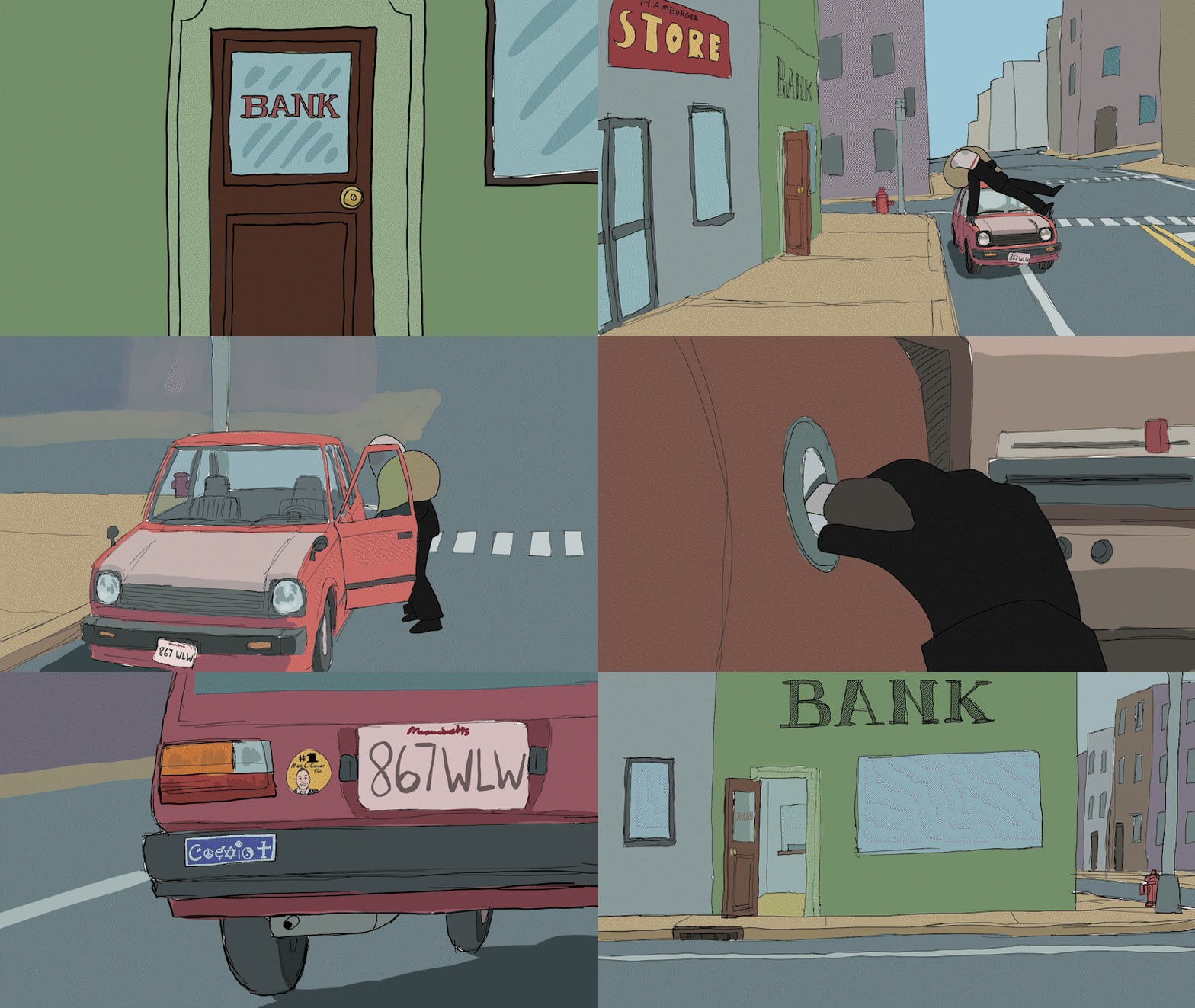
Dorian Alijan, Art Major
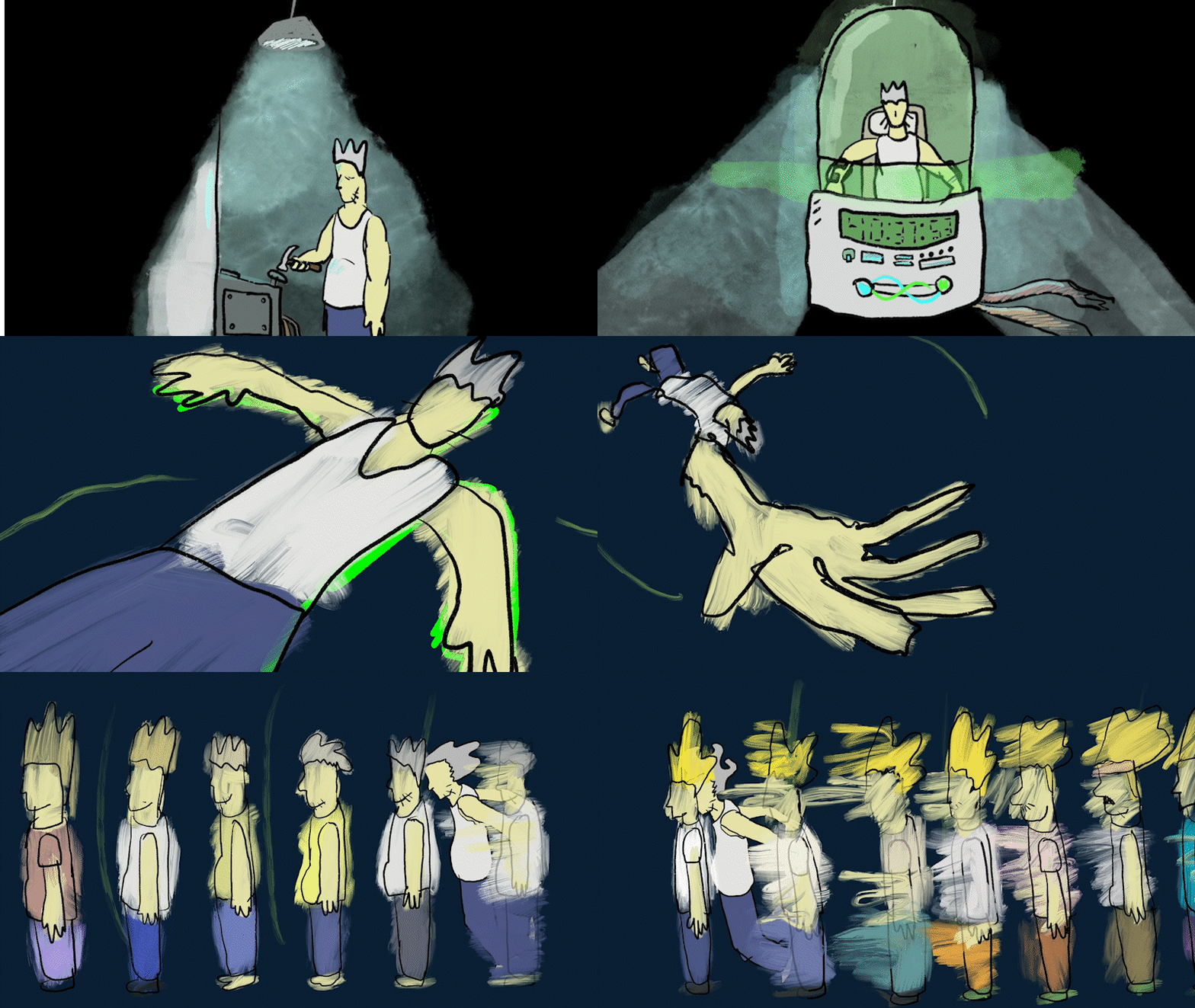
Jack Milott, Art Major
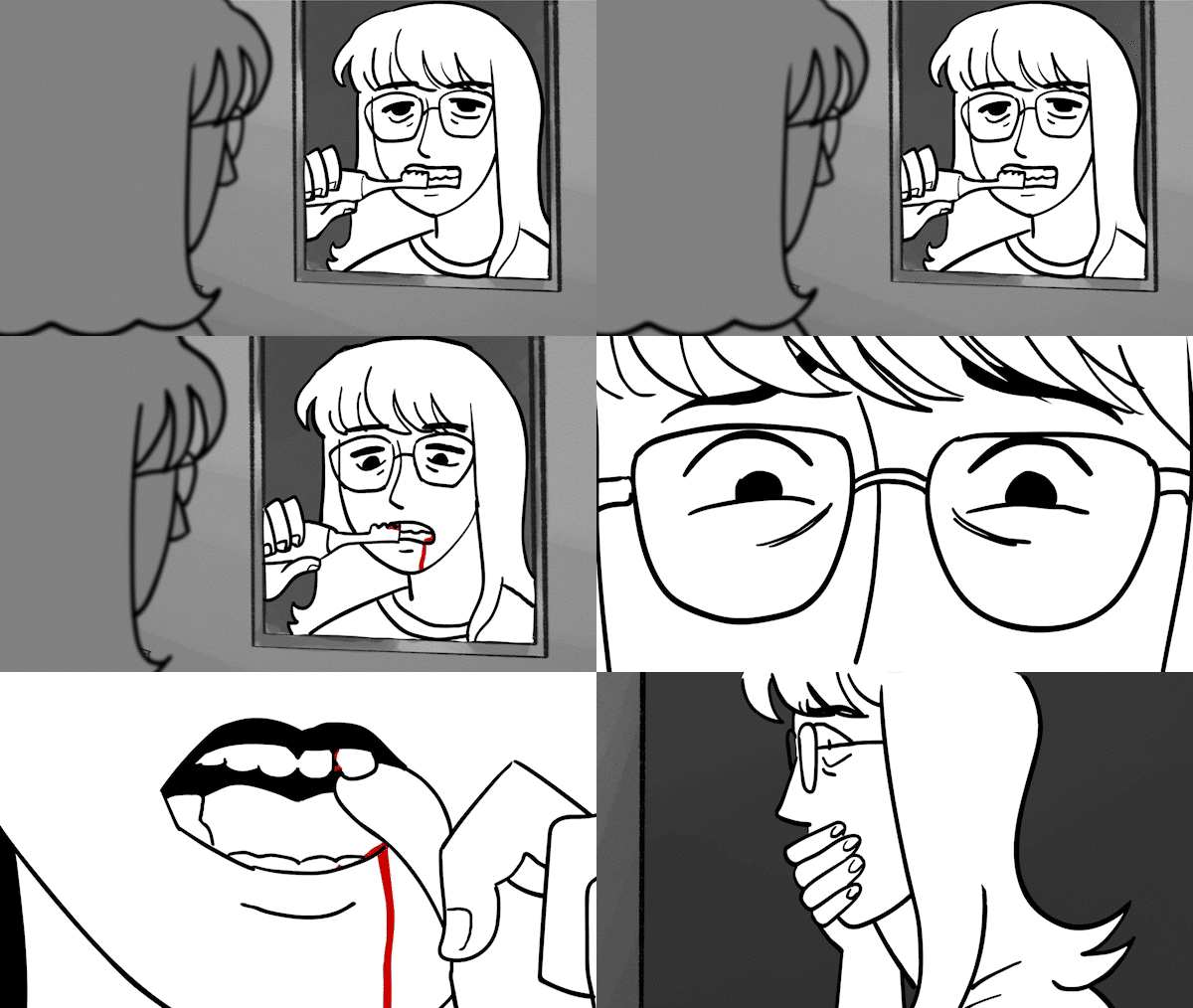
Eliana Nazarro, Art Major
Project Title: Moving Images in Space
Work with your team to develop a series of 3 looping video vignettes to project in space. The video projections can be site-responsive, on unorthodox surfaces, or interventionist in nature. This process should be inventive and experimental. Consider the presence of moving images in space rather than video as a storytelling device. What are the possibilities?


Project Title: Sounds and Sights
Project Description:
Create three 10-second animations responding to a piece of sound. The audio clips should be recorded initially with a microphone or camera. This project is more focused on abstraction than narrative, meaning that your goal is not to illustrate sounds but to think of creative ways to animate visuals in response to the sounds. For example, hearing the sound of a motorcycle doesn’t mean you must animate a bike; instead, imagine the possibilities of this sound. What other visuals come to mind when you hear it?

Ray Hilliard, Transmedia Major

Harper Carullo, Transmedia Major
Texas Tech University
Advanced Transmedia: Story Development in Animation
Course Description:
This course gives students time and space to produce a single, in-depth animation project over the semester. Projects will be divided into three phases: research, concept development/visualization, and preproduction. We will focus on thematic development, narrative construction, storyboards, and sound design. This course will help students develop project management and organizational strategies. The individual artist chooses the genre and narrative structure of the animation. Students will have access to multiple pieces of software, including ProCreate, Adobe Creative Suite, and Dragaonframe.

Jonathan Akene, Transmedia Major

Jonathan Akene, Transmedia Major

Jonathan Akene, Transmedia Major
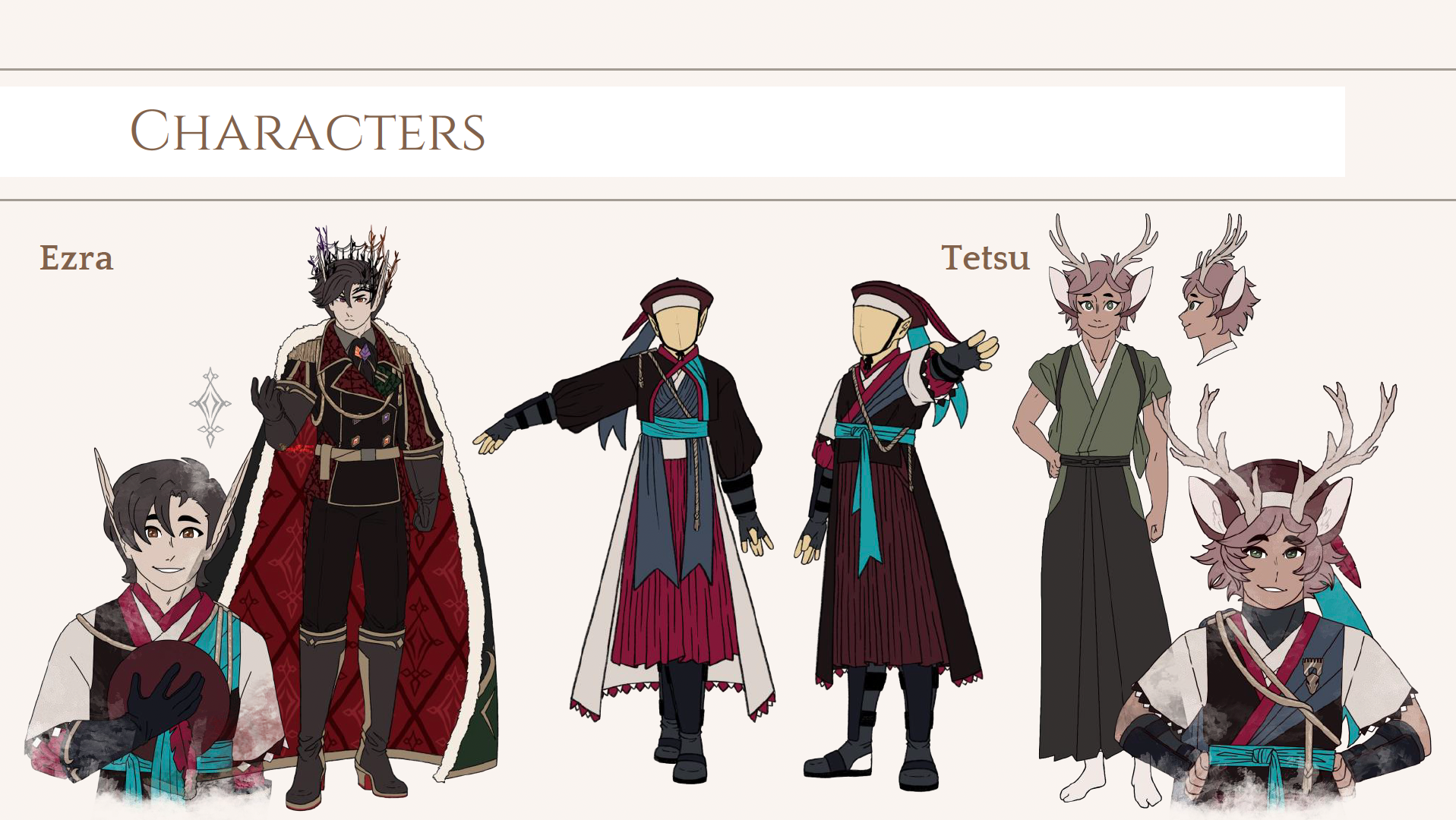
Kat Matillac, Transmedia Major

Kat Matillac, Transmedia Major

Kat Matillac, Transmedia Major

Jordan Enriquez, Illustration major

Jordan Enriquez, Illustration major
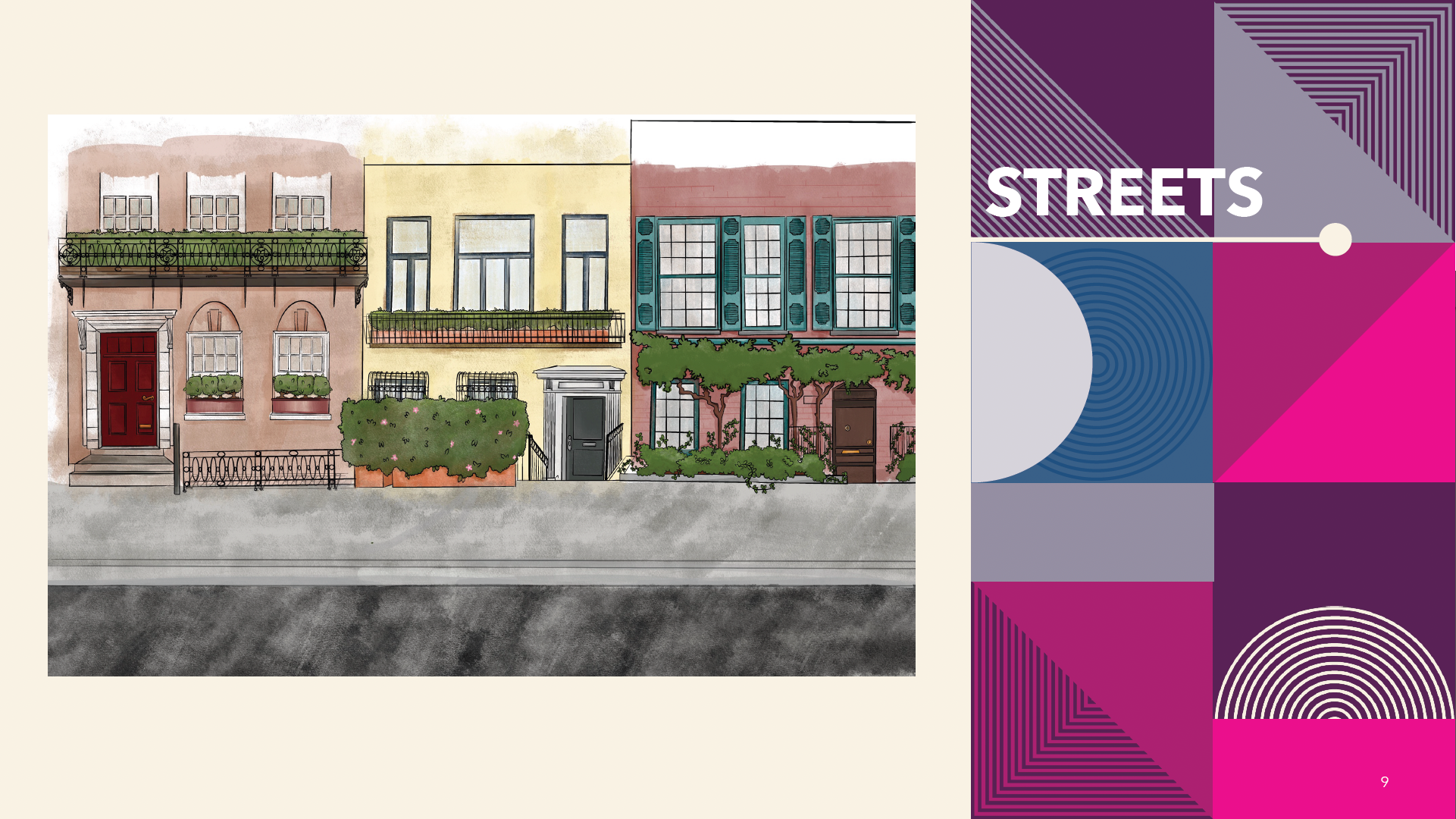
Jordan Enriquez, Illustration major